
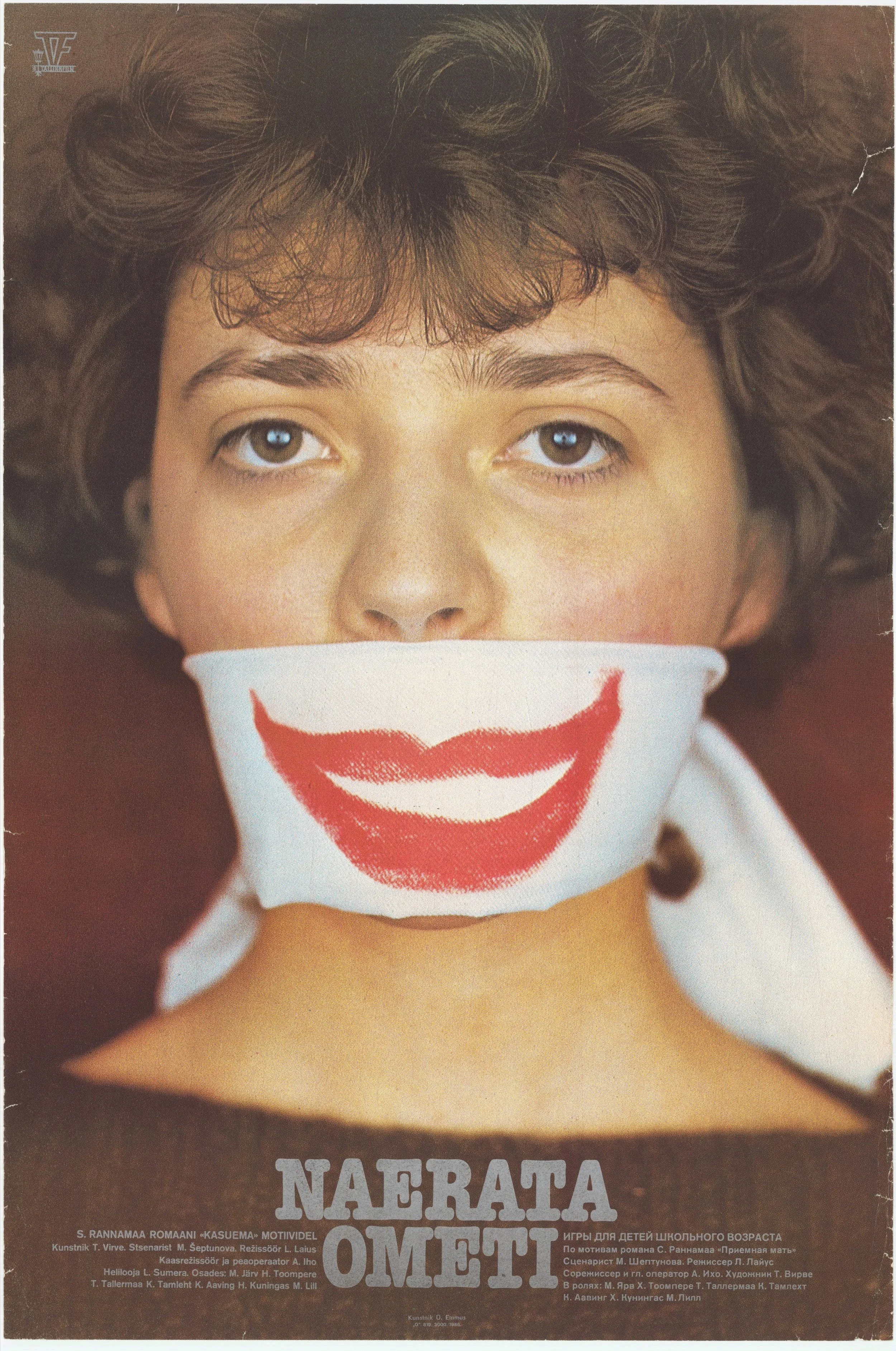
Smile at Last
Naerata ometi
Estonia (1985)
Coming of age drama | Estonian with English subtitles | 90 minDirected by: Leida Laius
Virtual: March 2-23
Streaming in North America
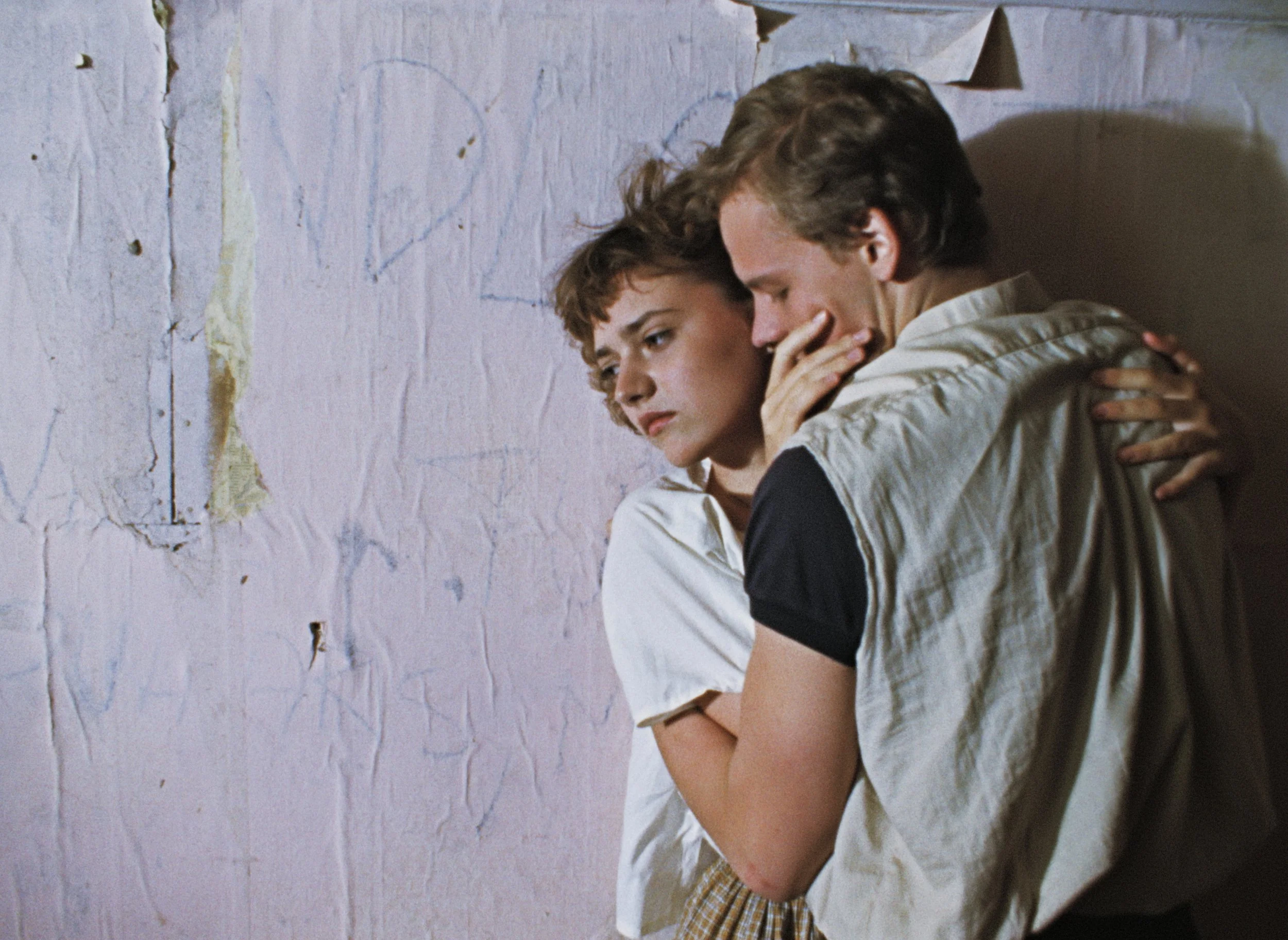
After the death of her mother, 16-year-old Mari is placed in an orphanage. Raised by a drunken father, she initially attempts to escape the institution, only to learn that she no longer has a home to return to. The orphanage is governed by its own harsh hierarchy, where survival depends on strength, alliances, and unspoken rules.
Sensitive and withdrawn, Mari struggles to adapt to the coarse behavior and brutal games of the other children. Robi, a rebellious rule-breaker, is admired as an informal leader, while Tauri, quiet and kind, remains an outsider despite his good intentions. Gradually, Mari begins to see beyond first impressions, learning to recognize the shared pain and resilience of those around her — children who have long forgotten how to cry. Her emotional awakening culminates in her first experience of love, directed not toward her would-be protector Tauri, but toward the rough-edged Robi.
Smile at Last is a powerful coming-of-age story and a work of critical realism that draws attention to society’s responsibility toward vulnerable children and adolescents.
“1986 was the year when Perestroika reached the Soviet cinema. The state cinema institutions were reformed and the films that were kept away from international distribution reached the festivals for the first time. Among the new films brought to Berlinale the next year was Smile at Last (Igry dlja detej Schkolnogo vozrasta/ Spiele für Kinder im schulpflichtigen Alter) in the Kinderfilmfest section, by the Estonian directors Leida Laius, and Arvo Iho. The film is set and shot in an Estonian orphanage. It was one of the first to reveal the cracks in the myth of a cloudless socialist youth, and the Soviet social engineering project in general. Eventually Smile at Last won the UNICEF award, and can be seen again in the Berlin Classics section of Berlinale. The body of work of Leida Laius, dealing with the tensions between strong female characters and traditional society, remains to be discovered internationally.” (Karlo Funk)